Is Sustainable Interior Design Really More Expensive?
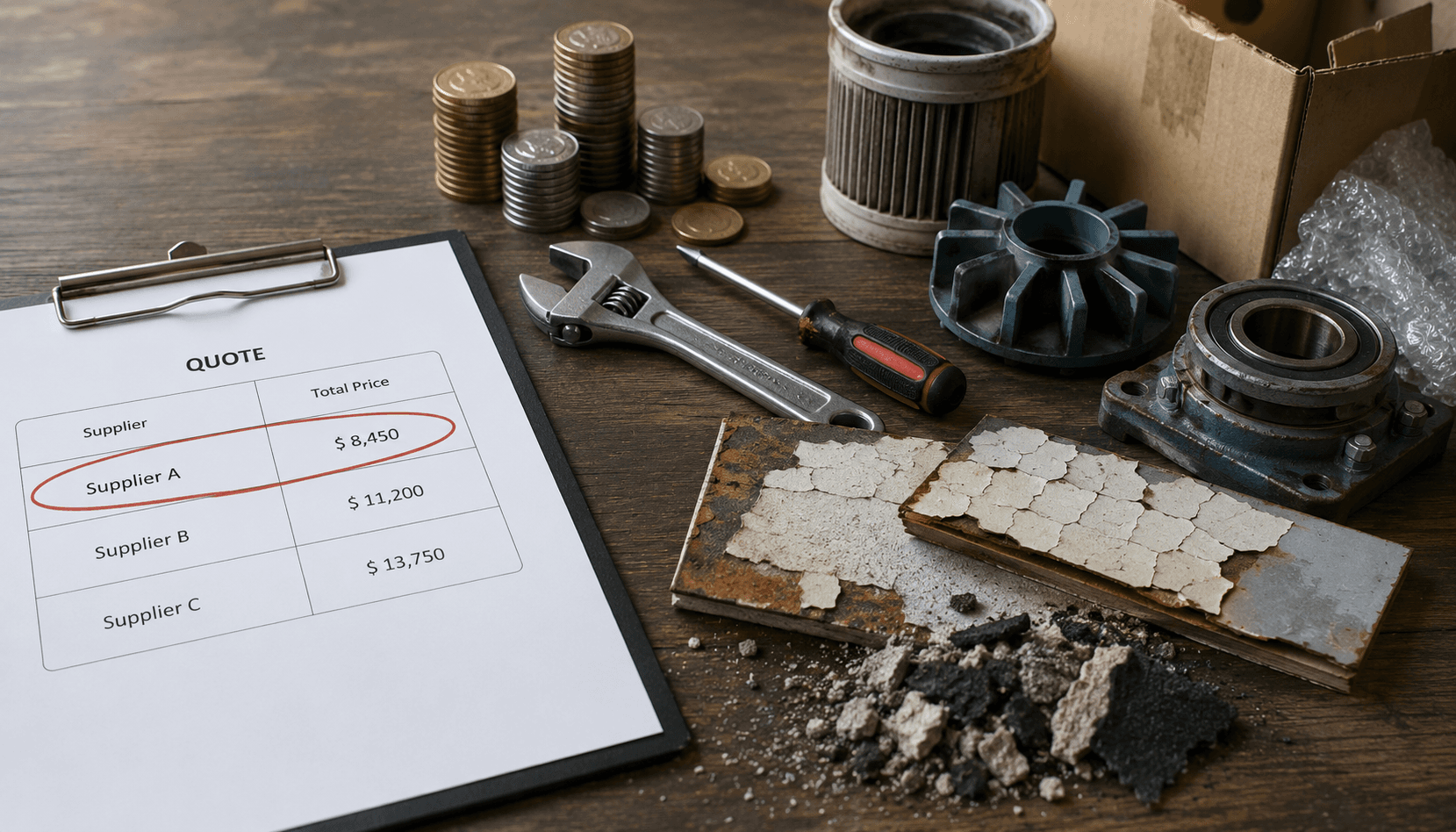
The cheapest quote can become the most expensive space. A fair comparison looks at what an interior costs to buy, install, run, maintain, repair, replace and eventually change.
Ask most owners what makes them hesitate about sustainable interior design and the answer is usually price. A lower-impact product may appear more expensive on the first proposal, while the conventional option looks safer because its purchase price is lower.
But the quote only captures one moment: the day you buy. It does not show what happens during the years that follow.
The better question is not, “Which option is cheaper today?” It is, “Which option gives us the best value over the period we expect to use the space?”
Full-life value, not first cost
The Problem Is the Comparison
Project budgets often compare products as though they will perform in exactly the same way. Two chairs may look similar on a schedule, yet one may have a longer warranty, replaceable parts and upholstery that can be renewed. Two floor finishes may have different cleaning requirements, repair methods and expected service lives. Two lighting packages may create very different energy and maintenance demands.
When those differences are left out, the lowest purchase price naturally wins. The decision feels financially disciplined, but the comparison is incomplete.
What Is Really Driving the Cost?
The issue is rarely a lack of sustainable choices. It is the way design and procurement decisions are made.
Budgets are divided into line items. Design teams may focus on appearance and specification, while procurement teams are asked to reduce the immediate order value. Suppliers are not always required to provide comparable information on service life, maintenance, repairability, energy use, replacement parts or end-of-life options.
Sustainability then arrives late as an extra requirement. At that point, even a sensible change can feel like an expensive upgrade.
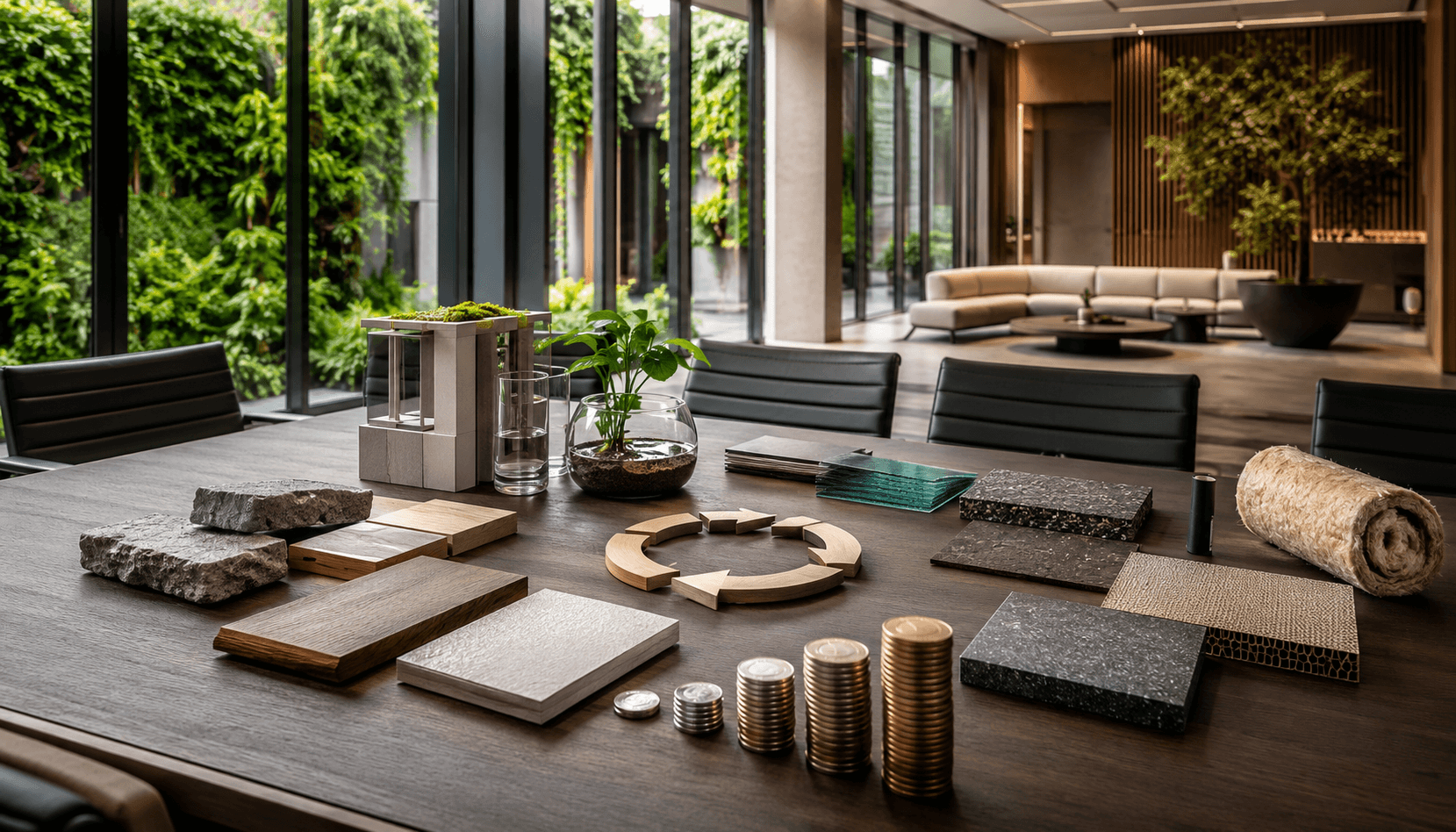
Hidden future costs
The Usual Way Can Cost More
A lower-priced product can still create a higher total cost if it needs frequent cleaning, wears out early, consumes more energy, cannot be repaired or causes disruption when it is replaced.
That does not mean every sustainable product is automatically economical. Some genuinely cost more and may not suit the project. The point is to compare like with like and to judge each option over the same period.
The U.S. Department of Energy uses life-cycle cost analysis for exactly this reason: an option with a higher initial cost may be more economical when lower operating costs and the project life are considered. Building-scale evidence from the U.S. General Services Administration also shows that high-performance buildings can outperform conventional stock on operating expenses, energy, water, waste and tenant satisfaction. These findings do not guarantee the same result for every interior product, but they support the principle that first cost is only one part of value.
Conventional versus smarter comparison
| Decision point | Conventional comparison | Smarter comparison |
|---|---|---|
| Time horizon | Purchase and installation | Expected holding period |
| Product performance | Assumed to be equivalent | Service life, warranty, repairability and maintenance compared |
| Operations | Often excluded | Energy, cleaning, downtime and replacement included |
| End of life | Disposal treated as someone else’s problem | Reuse, take-back, recycling and residual value considered |
| Value engineering | Remove cost from the order | Protect long-term performance while simplifying low-value elements |
A Smarter Way to Compare
Start with the period you expect to own, lease or operate the space. Five years? Ten? Longer?
Then compare each option using the same cost boundary:
- Purchase and installation
- Energy and water use, where relevant
- Cleaning and routine maintenance
- Repair, replacement parts and warranty support
- Expected service life and replacement frequency
- Downtime, disruption and reinstallation
- Disposal, take-back, reuse or residual value
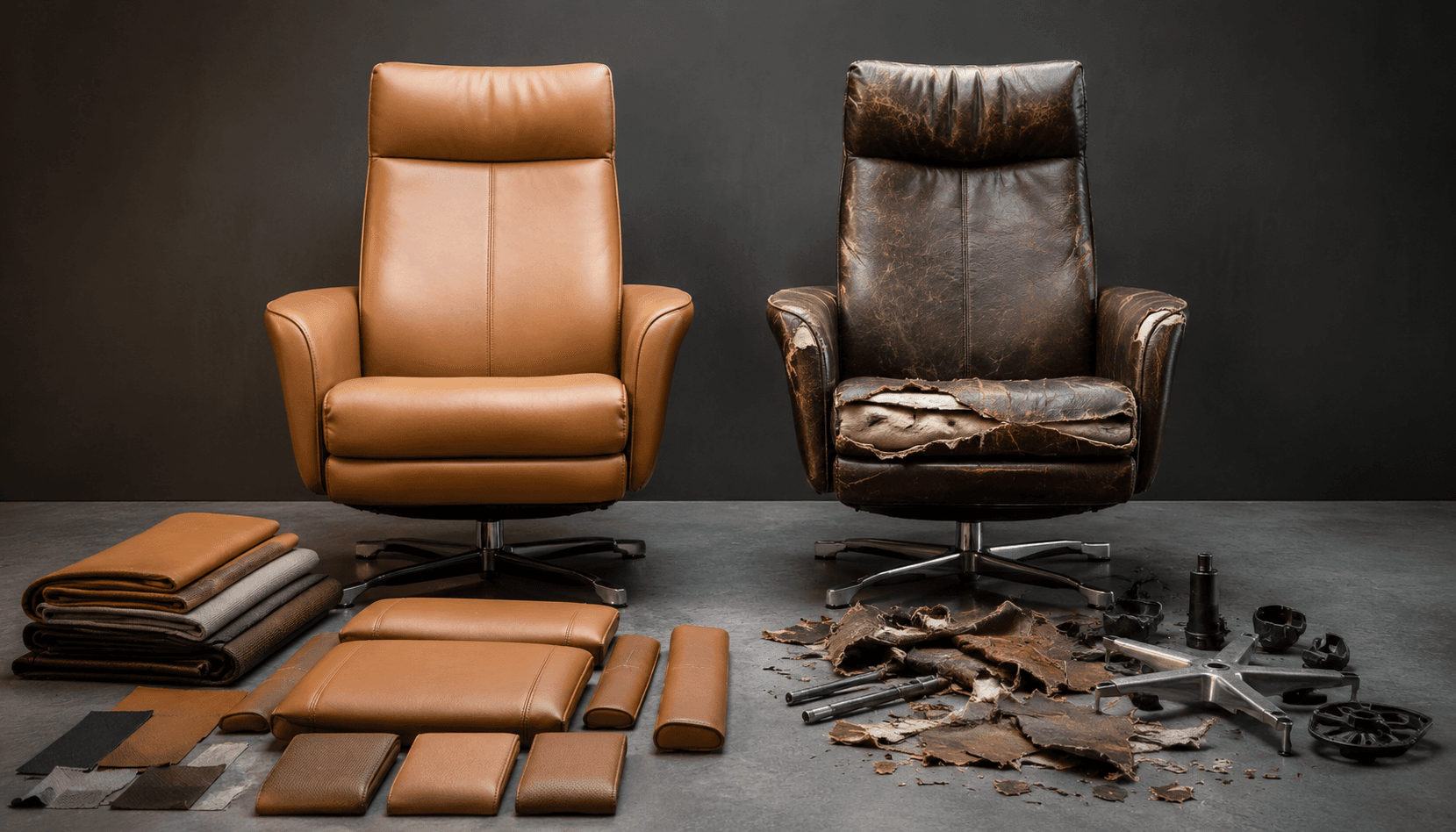
Integrated decision-making
Ask suppliers to put their assumptions in writing. A vague promise that a product is “durable” is not enough. Request the expected service life, warranty exclusions, maintenance instructions, replacement-part availability and any credible environmental or emissions documentation.
For interior materials, health also matters. The U.S. Environmental Protection Agency’s Indoor AirPlus guidance prioritizes low-emission materials because products such as paints, adhesives, flooring and insulation can affect indoor air quality. This may not appear as a neat saving on the purchase order, but it is part of the space’s real performance.
What Changes When You Look Beyond Day One?
A whole-life comparison gives the project team a clearer basis for deciding where to invest and where a conventional option is perfectly adequate.
It can lead to fewer premature replacements, less waste, more predictable maintenance, lower operating demand and fewer disruptions. It can also make value engineering more intelligent. Instead of simply removing quality to reduce the budget, the team can protect the features that drive long-term performance and simplify the elements that do not.
The impact is not only environmental. It is commercial: fewer surprises, stronger operational resilience and a space that remains useful and credible for longer.
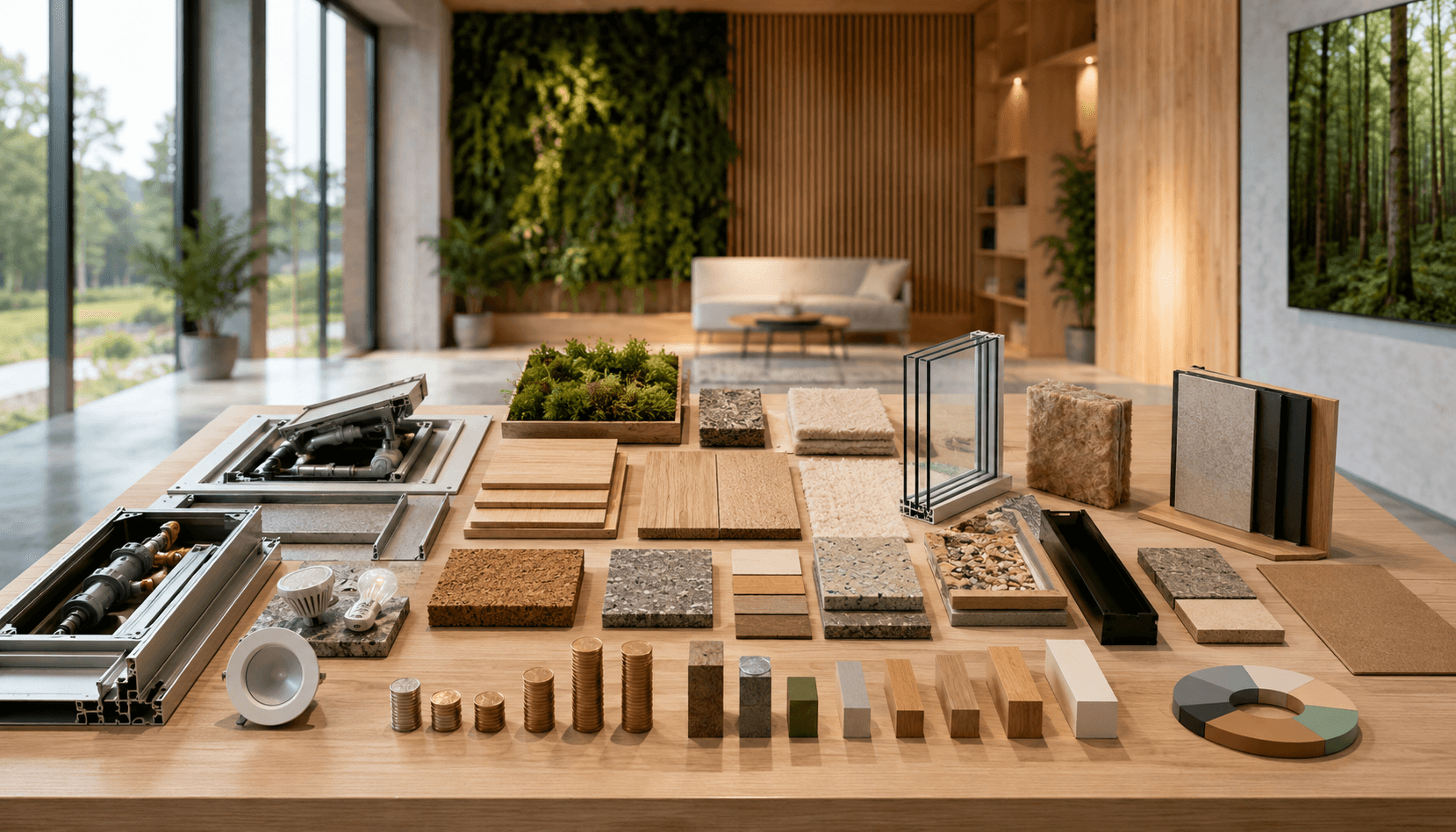
Long-term performance
Five Questions for Your Next Budget Review
- 1. What is the total cost over our intended holding period?
- 2. How long is the product realistically expected to last?
- 3. What cleaning, maintenance, energy or replacement costs are missing from the quote?
- 4. Can the product be repaired, refreshed, reused or taken back?
- 5. What evidence supports its performance, health and environmental claims?
The Real Answer
Is sustainable interior design more expensive? Sometimes, at the point of purchase. Sometimes, not at all.
What is consistently expensive is making a decision with only part of the cost visible.
A smarter project does not pay a premium simply to look sustainable. It chooses where better design, better materials and better procurement will reduce risk and create value over time. That is not an environmental luxury. It is responsible business planning.
“PRACTICAL TAKEAWAY Do not ask whether the sustainable option costs more. Ask which option creates the lowest credible total cost and the strongest performance over the period you will actually use the space.”
At a glance
- 1
Discover why comparing only the purchase price leads to incomplete and costly decisions.
- 2
Learn how to compare options using a whole-life approach, including energy, maintenance and repair.
- 3
Understand how smarter procurement protects long-term performance and reduces operational risk.
Sources & further reading
Stay Inspired.
Stay Informed.
We respect your privacy. Unsubscribe anytime.