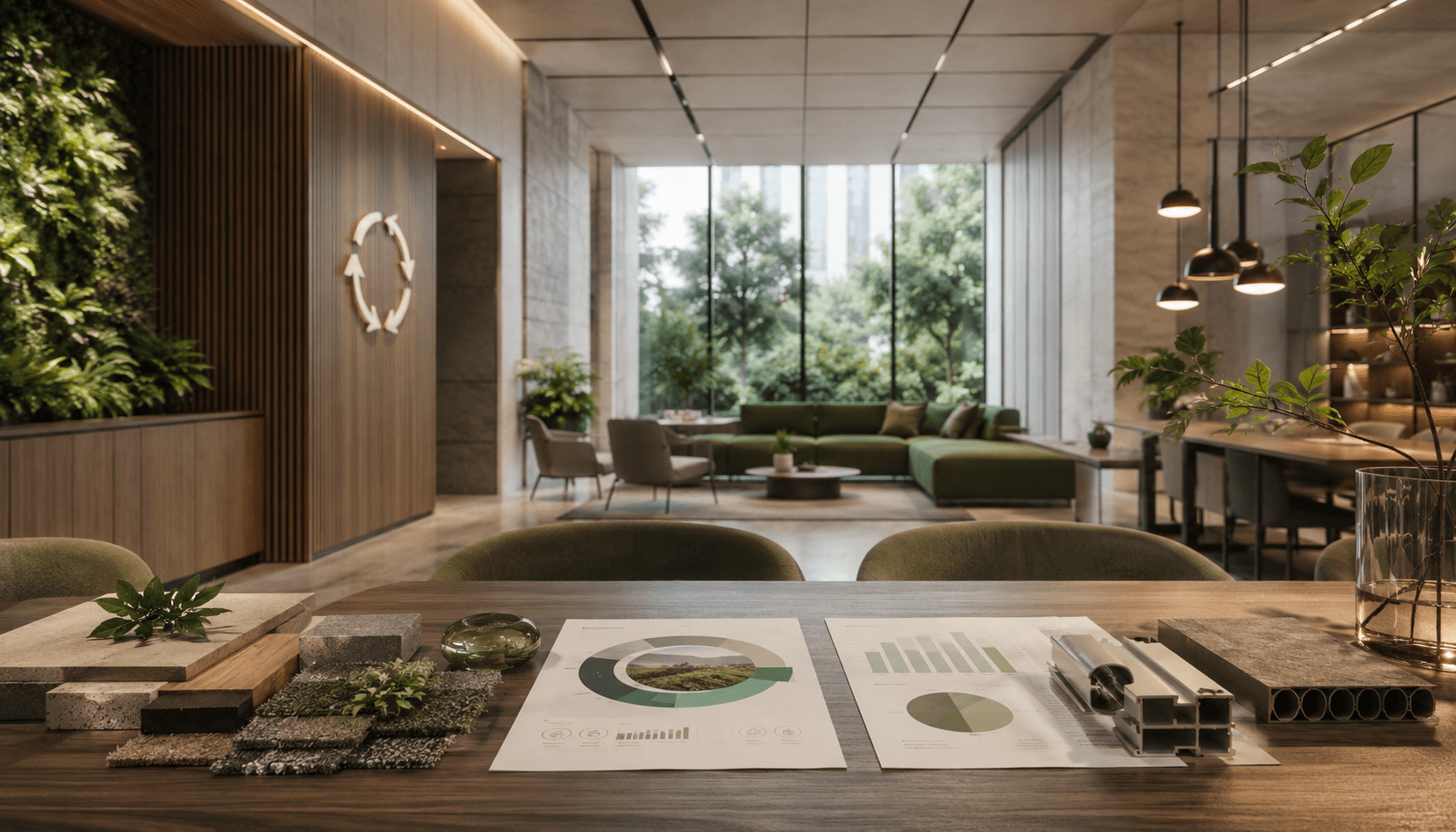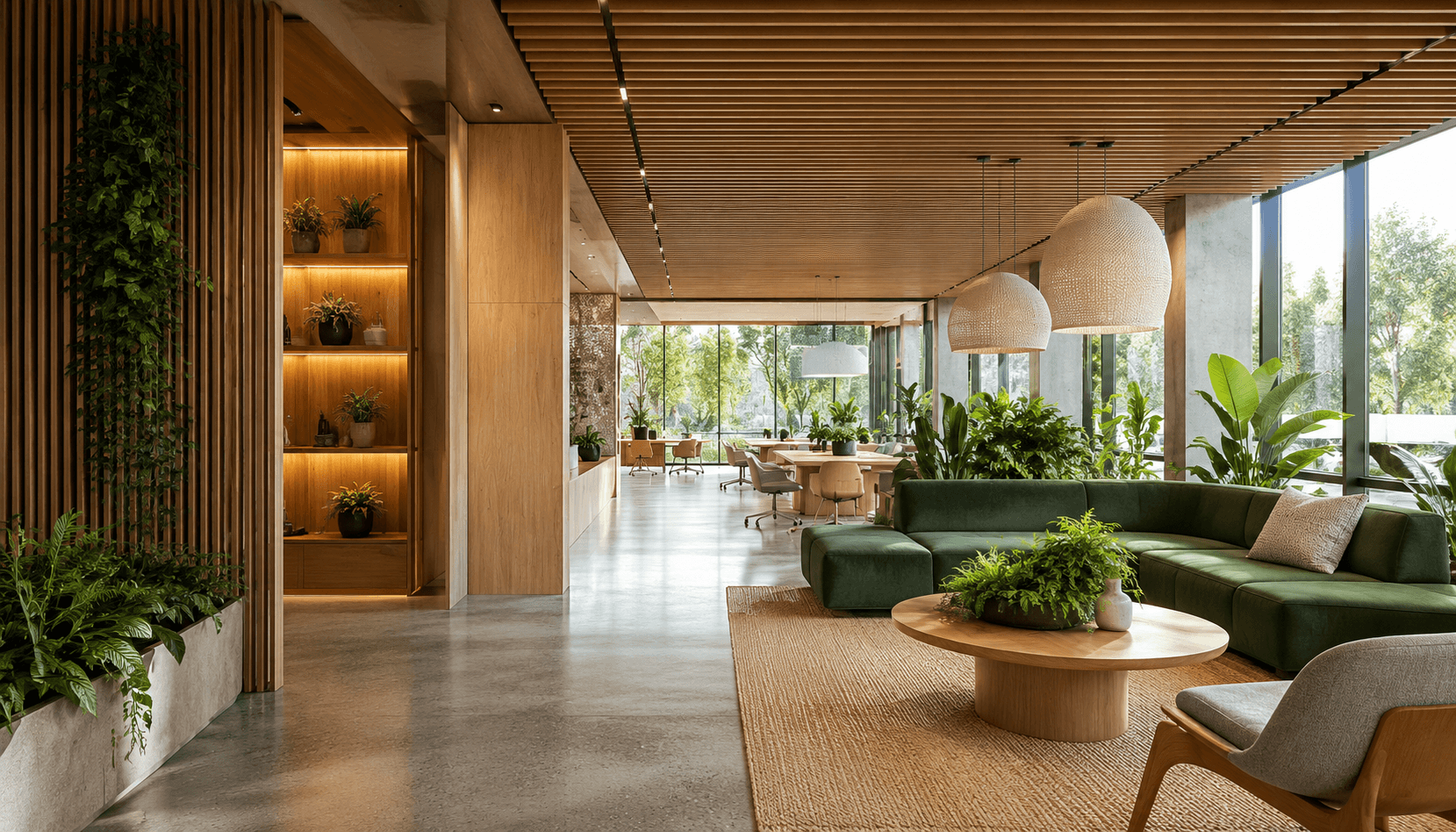
Why Sustainable Design Is Not an Aesthetic Compromise
Sustainable interiors do not have to look earthy, minimal or predictable. The real difference lies in how materials are sourced, tested, maintained and kept in use.
Mention a sustainable interior and many people still picture the same thing: pale timber, beige fabric, a few plants and a very earnest shade of green.
There is nothing wrong with that look. It is simply one look—not the definition of sustainable design.
The real work sits behind what we see: where a material came from, what is in it, how long it will last, whether it can be repaired, and what happens when the project no longer needs it. None of those decisions forces a hotel, office, home or retail space to feel rustic, minimalist or visibly ‘eco’.
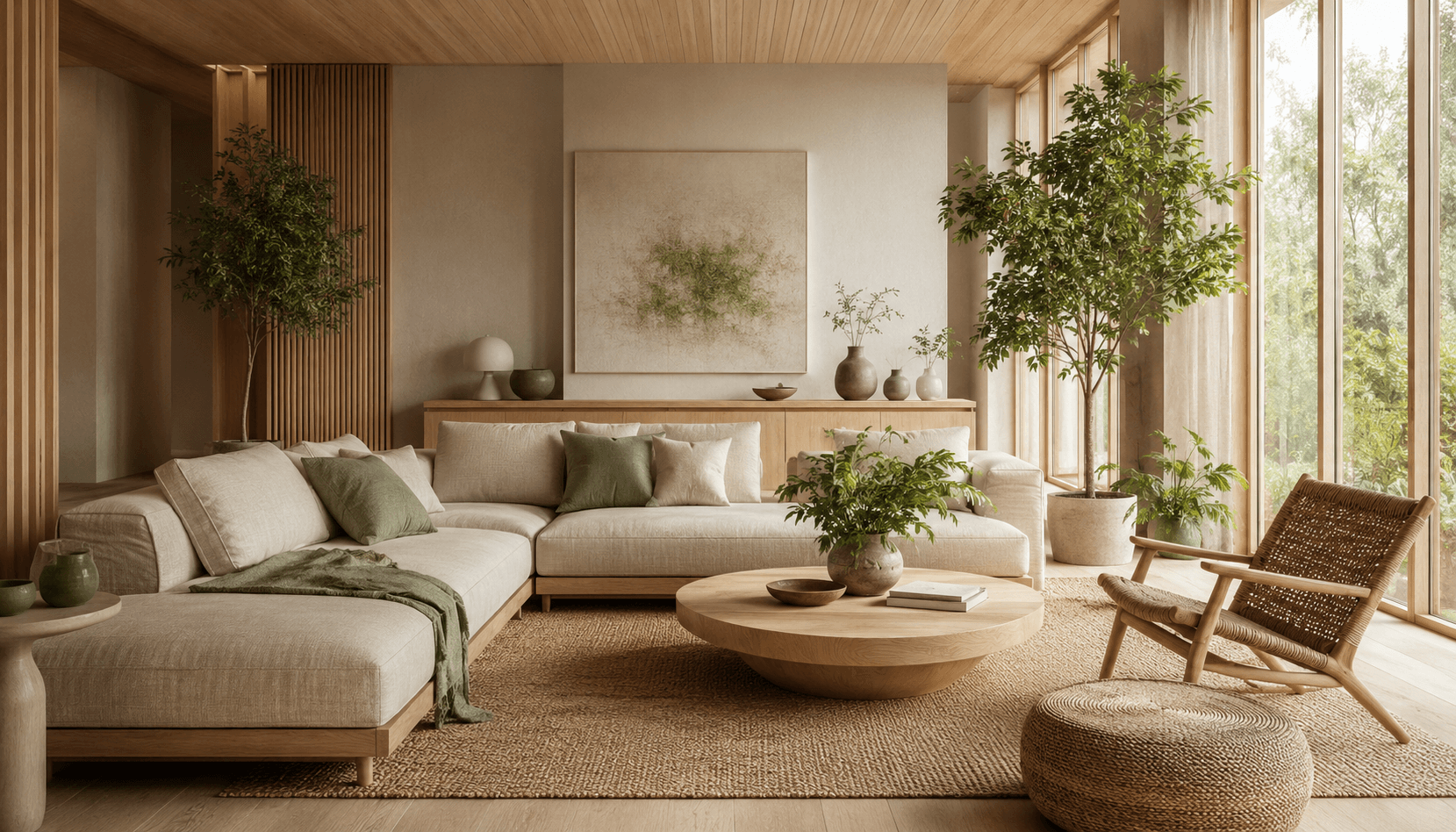
Luxury without the stereotype
The Real Problem: Sustainability Has Been Turned Into a Style
For years, sustainable products were marketed with visual shortcuts: leaves, raw textures, muted colours and reclaimed finishes. Those cues made the idea easy to recognise, but they also created a stereotype.
The market has moved on. Designers can now work with responsibly sourced wood, recycled metals and glass, low-emission paints, healthier textiles, repairable furniture and circular products across a wide range of colours, forms and price points.
Yet the old perception survives because sustainability is still brought into many projects too late. The concept is approved first, then someone is asked to find a ‘green alternative’ that looks the same. At that point, every responsible choice feels like a restriction.
Range of responsible aesthetics
A Better Brief Starts With the Experience
Start with how the space should feel. Calm or energetic? Understated or theatrical? Warm, colourful, luxurious, playful or highly technical? That creative direction should remain intact.
Then add the performance requirements that sit underneath it. The AIA Materials Pledge encourages teams to consider human health, climate, ecosystems, social equity and circularity when specifying products. That is not a style guide. It is a way to make a beautiful concept more responsible.
- Choose the atmosphere and design language first.
- Set clear requirements for material health, sourcing, durability and end of life.
- Search broadly rather than accepting the first product labelled ‘sustainable’.
- Approve alternatives only when they protect both the concept and the performance criteria.
Proof Matters More Than the Green Look
A product does not become sustainable because it is natural-looking, handmade or covered in environmental language. It needs evidence.
For wood, that may include verified chain-of-custody documentation such as FSC certification. For paints, adhesives, furniture and finishes, low-emission testing can help protect indoor air quality. Cradle to Cradle Certified and other recognised frameworks can provide information on material health and circularity.
The Common Materials Framework from mindful MATERIALS is useful for the same reason: it gives project teams a shared language for comparing product information instead of trying to make sense of disconnected claims.
This evidence rarely changes the appearance of the finished room. It changes the quality of the decision behind it.
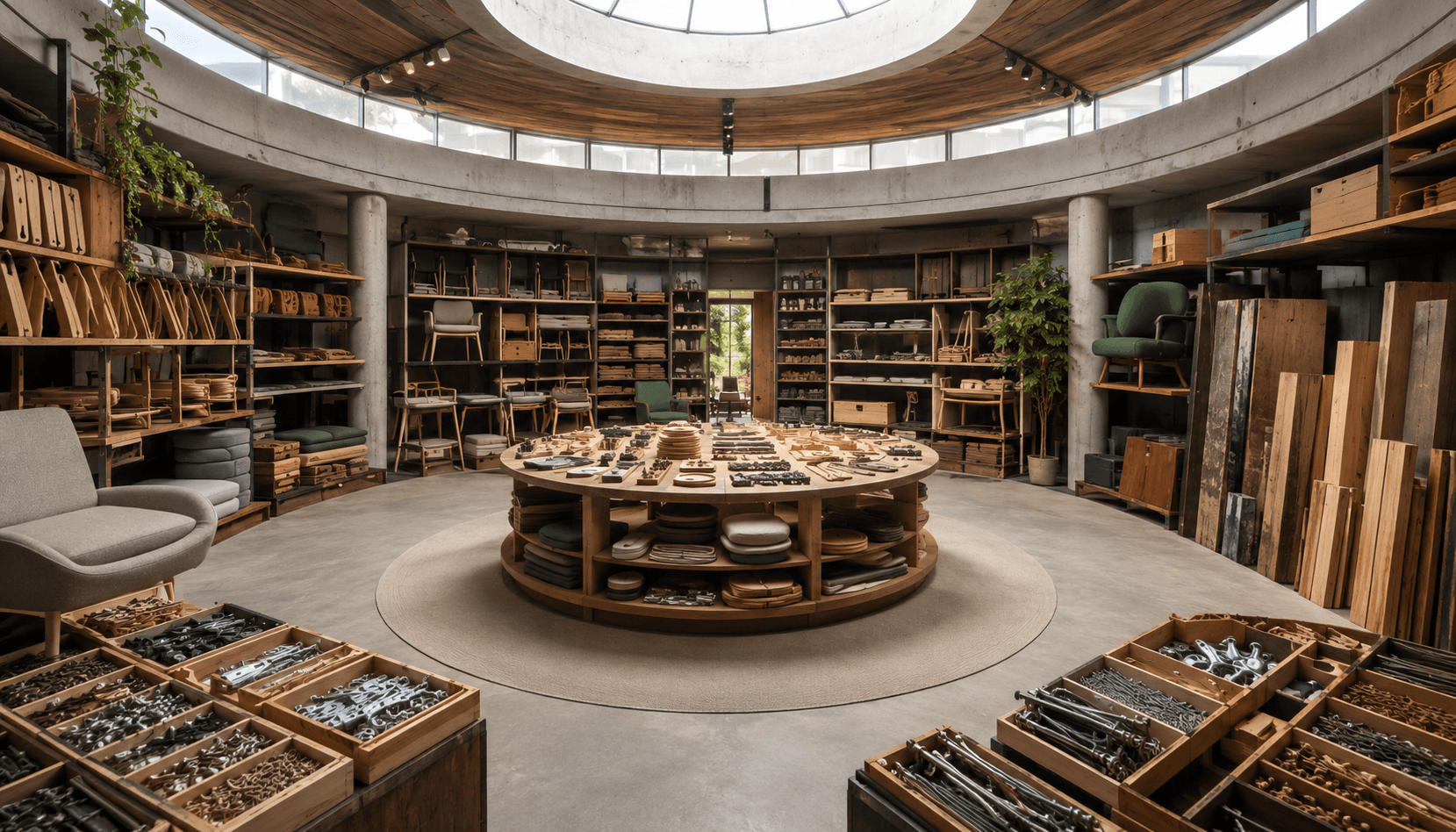
Early integrated review
How to Keep Design Freedom
- 1. Build the sustainability criteria into the brief before the palette is finalised.
- 2. Ask suppliers for evidence early, while there is still time to explore alternatives.
- 3. Review full-size samples under the actual project lighting—not only on a screen.
- 4. Test high-touch and high-wear materials for cleaning, repair and ageing.
- 5. Coordinate design, procurement and operations before a product is approved.
- 6. Prefer products that can be maintained, refinished, reupholstered, disassembled or reused.
Early coordination gives the designer more freedom, not less. It avoids the last-minute moment when a preferred product fails a health, sourcing, lead-time or maintenance requirement and the team has to settle for whatever is available.
The Conventional Way Versus the Better Way
CONVENTIONAL APPROACH
Approve the visual concept, add sustainability later, compare products using one green claim, and accept substitutions mainly on price.
BETTER APPROACH
Develop the concept and impact criteria together, compare verified information across several priorities, and approve equivalents on design, performance and long-term value.
What Changes When Beauty and Responsibility Work Together
The project gains more than a greener story. It can gain healthier material choices, less premature replacement, fewer reactive substitutions and a clearer connection between the design concept and the organization’s values.
For hospitality and retail, that can strengthen the guest or customer experience without turning the interior into an environmental exhibition. For workplaces, homes and healthcare spaces, it can support comfort and indoor environmental quality while still delivering a distinct identity.
Most importantly, the result feels intentional. Sustainability is not pasted onto the design. It is built into how the design performs.
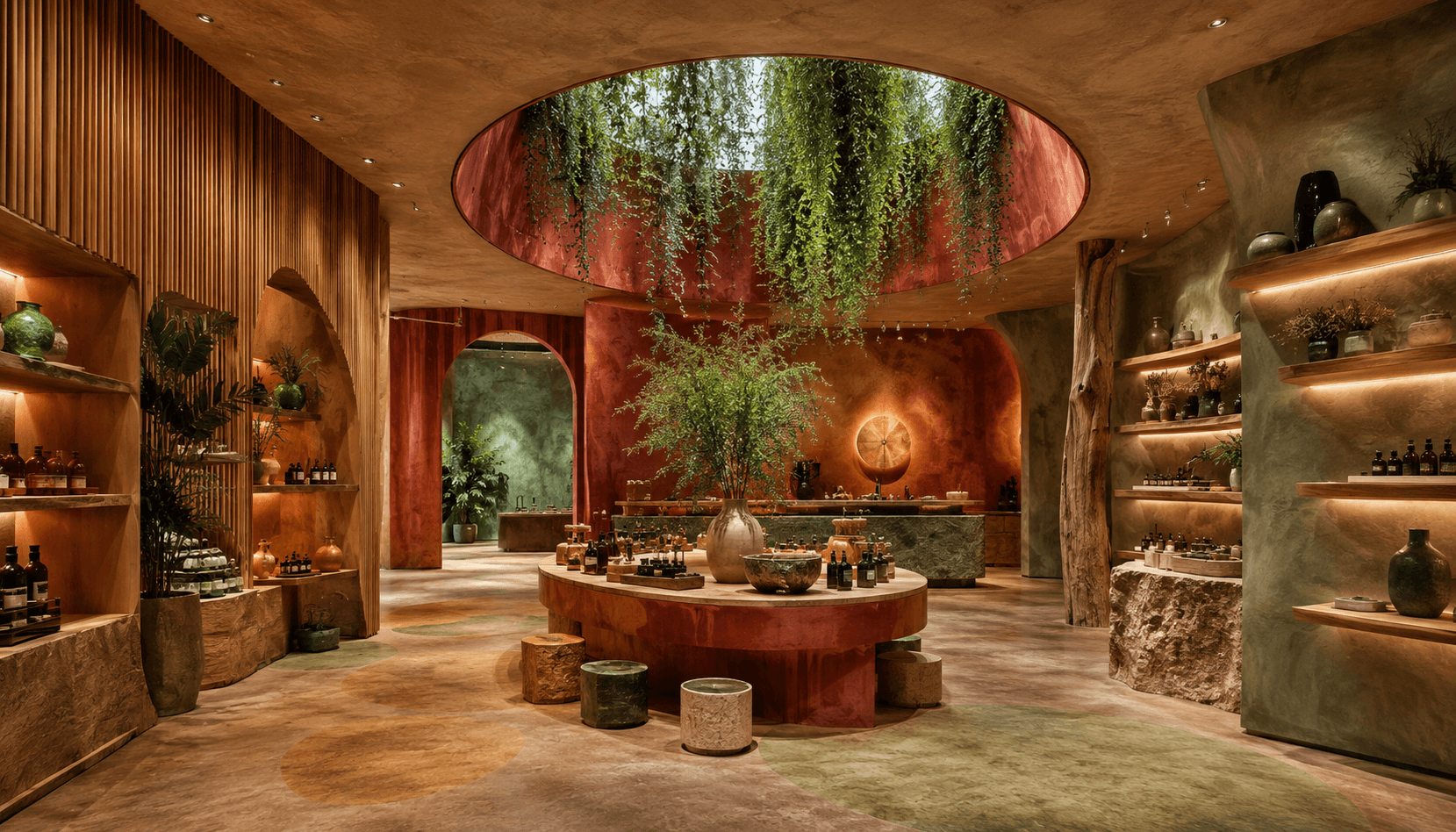
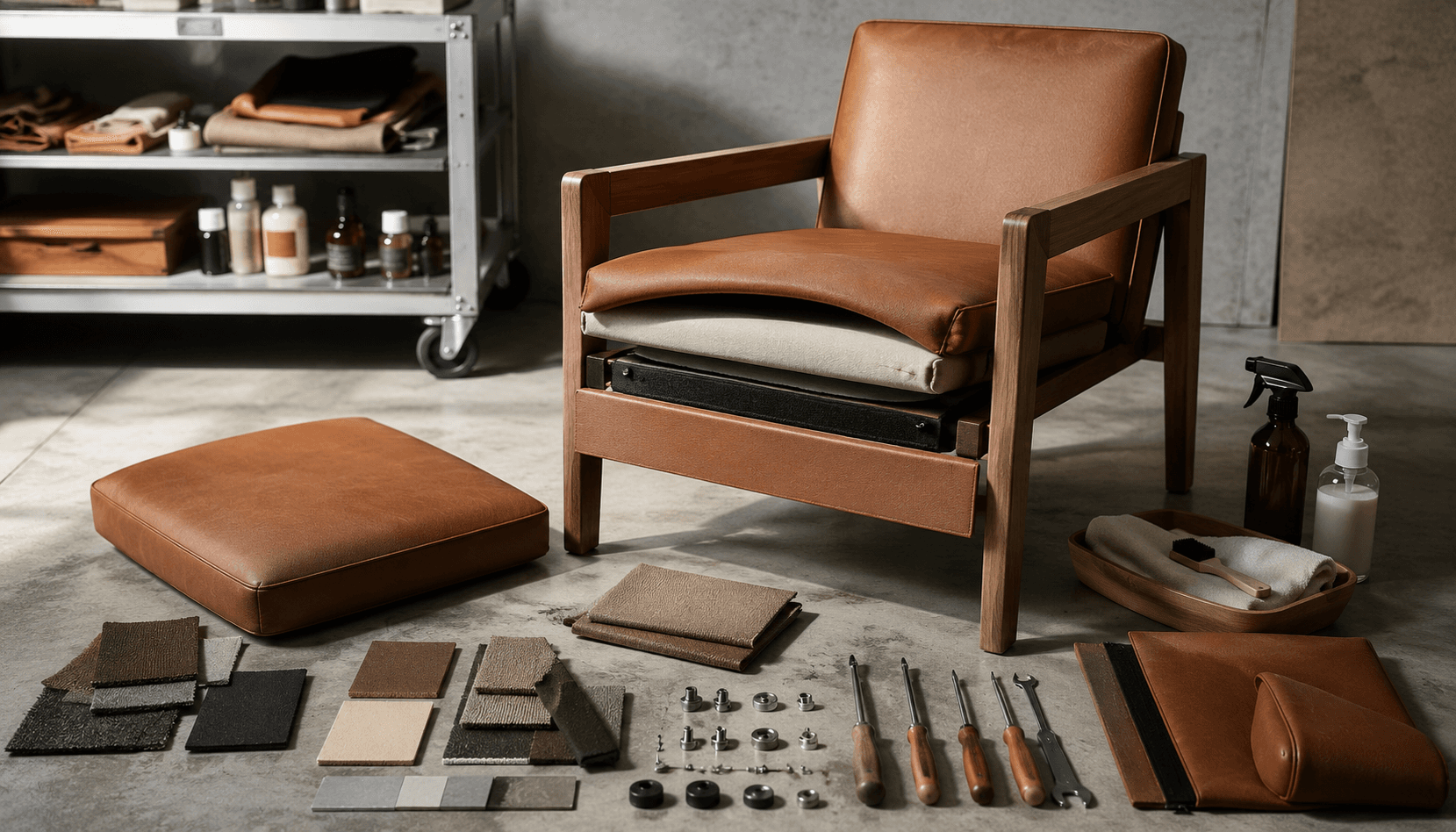
Durability protects beauty
Five Questions for Your Next Material Review
- 1. Does this product genuinely support the design concept?
- 2. What verified information supports its environmental or health claims?
- 3. How will it look and perform after years of cleaning and use?
- 4. Can damaged or high-wear parts be repaired or replaced?
- 5. What can happen to it when the interior changes?
Sustainable design is only an aesthetic compromise when it is treated as a substitute exercise at the end of the process.
When it is considered from the beginning, it becomes part of good design: beautiful, useful, durable and honest about its impact.
“PRACTICAL TAKEAWAY A beautiful interior does not have to advertise its sustainability. The proof can live in the materials, the performance and the years of useful life.”
At a glance
- 1
Challenge the stereotype that sustainable design must look earthy or minimal.
- 2
Understand why sustainability should be integrated early, rather than added as a substitute later.
- 3
Keep creative freedom by using verifiable material evidence and planning for long-term use.
Sources & further reading
- American Institute of Architects — AIA Materials Pledge
- mindful MATERIALS — Common Materials Framework
- Forest Stewardship Council — Wood
- UL Solutions — GREENGUARD Certification
- Cradle to Cradle Products Innovation Institute — Product Standards
- U.S. Green Building Council — LEED for Interior Design and Construction
Stay Inspired.
Stay Informed.
We respect your privacy. Unsubscribe anytime.